Migraines can affect far more than your ability to concentrate.

Migraines can affect far more than your ability to concentrate. Throbbing head pain, sensitivity to light or sound, nausea, visual disturbances, neck discomfort, and fatigue can interfere with work, sleep, exercise, family activities, and everyday routines.

At Clearwater Chiropractic, Dr. Flood and Dr. Kelbel provide personalized evaluations for patients experiencing migraines and recurring headaches in Eau Claire and surrounding communities. Because headaches can have many different causes, your care begins with understanding your symptoms, health history, neck movement, daily habits, and other factors that may be contributing to how you feel.

Chiropractic care is not appropriate for every type of headache or migraine, but it may be considered as part of an individualized care plan when musculoskeletal factors such as neck stiffness, restricted movement, or muscle tension are also present.

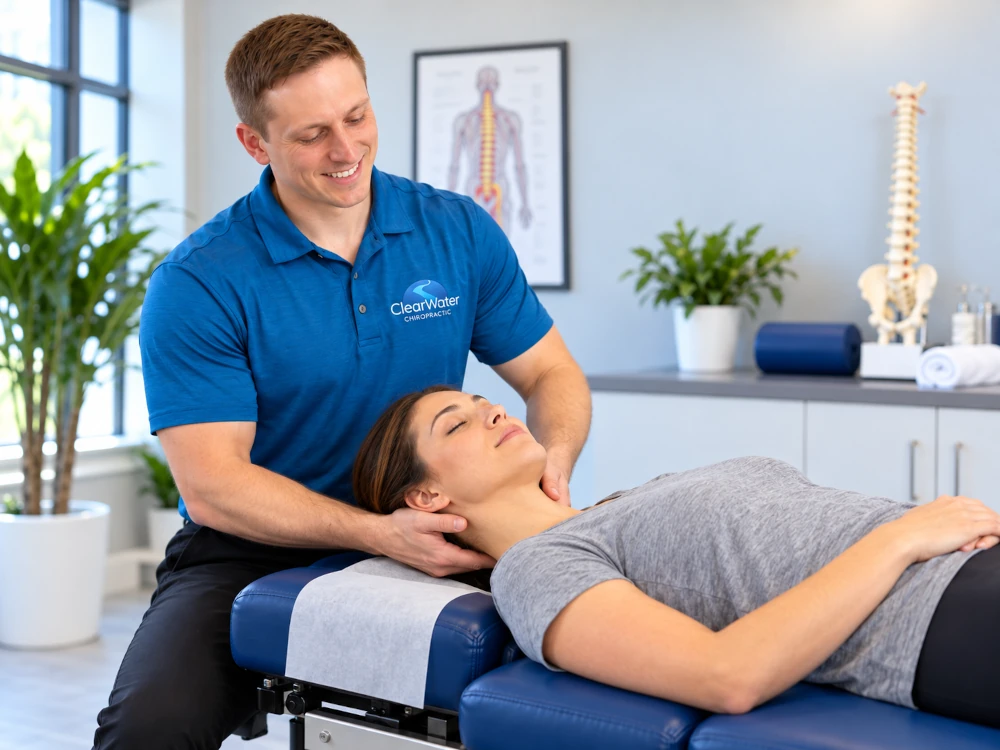
Dr. Kelbel performing a gentle neck adjustment for a patient with migraines

Dr. Kelbel provides personalized chiropractic care for patients experiencing migraines, headaches, and related neck tension in Eau Claire, WI.

What Is a Migraine?

A migraine is a neurological condition that can produce moderate to severe head pain along with other symptoms such as nausea, sensitivity to light or sound, visual disturbances, and changes in concentration or energy.

Migraine symptoms can vary significantly from one person to another. Some people experience occasional episodes, while others deal with recurring migraines that disrupt work, sleep, exercise, social activities, or family responsibilities.

Migraine pain is often described as throbbing or pulsating and may occur on one or both sides of the head. Symptoms can last for hours and, in some cases, considerably longer.

Because headaches can have many possible causes, having recurring or changing symptoms properly evaluated is important.

Migraine With or Without Aura

Some people experience an aura before or during a migraine. Aura symptoms may include:

  • Flashing lights
  • Blind spots
  • Shimmering or unusual visual patterns
  • Tingling or numbness
  • Temporary difficulty speaking

Other patients experience migraines without an aura. The presence or absence of aura is only one part of understanding a person’s migraine pattern. Frequency, duration, triggers, associated symptoms, and changes over time are also important.

Common Migraine Symptoms

Migraine symptoms are not limited to head pain. Episodes can affect vision, digestion, concentration, energy levels, and sensitivity to the surrounding environment.

Throbbing or Pulsating Head Pain

Migraine pain is often described as throbbing, pounding, or pulsating. The discomfort may be concentrated on one side of the head, although some patients experience pain on both sides.

Sensitivity to Light or Sound

Bright lights, computer screens, loud environments, or everyday sounds may become difficult to tolerate during a migraine. Some people prefer to rest in a quiet, dark room until symptoms begin to improve.

Nausea or Digestive Symptoms

Nausea is common during migraines, and some people may also experience vomiting or changes in appetite. These symptoms can make normal activities especially difficult during an episode.

Visual Changes

Migraine aura can produce flashing lights, shimmering patterns, blind spots, or other temporary visual disturbances. Any new or unusual change in vision should be discussed with an appropriate healthcare professional.

Neck Pain or Muscle Tension

Neck stiffness, upper-back tension, or discomfort around the shoulders can occur before, during, or after some headaches and migraines. For patients who also have significant neck or muscle symptoms, evaluating the cervical spine and surrounding muscles may help determine whether musculoskeletal factors should be addressed as part of their overall care.

Migraine vs. Other Types of Headaches

Not every headache is a migraine. Understanding how your symptoms behave can help determine what type of evaluation or treatment may be appropriate.

Illustration showing sciatic nerve irritation in the lower spine and leg

Migraine Headaches

Migraines may involve throbbing or pulsating head pain along with symptoms such as nausea, sensitivity to light or sound, and visual changes. Normal activities such as walking, climbing stairs, exercising, or moving around may also make symptoms feel worse during an episode. The severity and duration of migraines can vary considerably from one person to another and even from one episode to the next.

Tension-Type Headaches

Tension-type headaches are often described as pressure or tightness around the forehead, temples, back of the head, or neck. Muscle tension and discomfort through the neck and shoulders may also occur, particularly during periods of stress, prolonged sitting, or repetitive daily activities.

Headaches Related to the Neck

Some headaches can originate from structures in the neck and produce pain that is felt in the head. Neck movement, posture, previous injuries, joint restriction, or muscle tension may contribute to these symptoms, making a detailed evaluation helpful when determining whether the neck may be involved.

Comprehensive chiropractic solutions tailored to your lifestyle & goals.

What Can Trigger or Contribute to Migraine Symptoms?

Migraine triggers vary considerably from person to person. A factor that contributes to symptoms for one patient may have little effect on another. Keeping track of when migraines occur and what was happening beforehand can sometimes reveal useful patterns.

Stress and Changes in Routine

Periods of increased stress, schedule changes, travel, or disruption to normal routines can coincide with migraine episodes for some people. The body’s response to stress can also contribute to muscle tension around the neck, shoulders, and upper back.

Sleep Changes

Too little sleep, excessive sleep, or significant changes in sleep schedules may trigger migraines for some individuals. Maintaining a relatively consistent sleep schedule may therefore be worth discussing as part of an overall migraine-management strategy.

Food, Hydration, and Caffeine

Skipping meals, dehydration, changes in caffeine intake, alcohol, or certain foods may contribute to migraines for some people. Because triggers vary from person to person, broad food restrictions are not necessarily appropriate for everyone.

Light, Screens, and Sensory Triggers

Some great results we have seen from our patients who get adjusted during their pregnancy ultimately leading to a much healthier pregnancy for the mother.

Hormonal and Environmental Changes

Hormonal fluctuations, weather changes, barometric pressure, and other environmental factors are also reported migraine triggers. Because migraines can involve numerous contributing factors, treatment should not assume that one single issue is responsible.

Neck Tension, Movement, and Migraine Symptoms

Migraines are neurological, but neck discomfort and migraines frequently occur together.

Some patients notice neck stiffness or muscle tension before a migraine begins. Others develop neck soreness during or following an episode.

That does not necessarily mean the neck is causing the migraine.

However, when restricted neck movement, joint discomfort, muscle tension, or posture-related symptoms are also present, addressing those musculoskeletal findings may be appropriate as one part of a broader treatment approach.

Tight muscles around the upper back, shoulders, and neck may also contribute to separate tension-type or neck-related headaches.

When muscle tension is a significant part of your symptoms, dry needling or other soft-tissue techniques may be considered when appropriate.

How Migraines Can Affect Everyday Life

Recurring migraines can affect nearly every part of a normal routine.

Patients may find it difficult to:

  • Concentrate at work or school
  • Look at computer or phone screens
  • Drive comfortably
  • Exercise or participate in sports
  • Sleep normally
  • Spend time in bright or noisy environments
  • Complete household responsibilities
  • Attend social or family activities
  • Maintain normal energy levels

The impact of migraines is one reason we look beyond pain intensity alone.

Understanding how frequently symptoms occur, how long they last, what accompanies them, and which activities they interrupt provides useful information when discussing care options.

How Clearwater Chiropractic Approaches Migraine and Headache Care

There is no single chiropractic treatment that is appropriate for everyone experiencing headaches or migraines. Dr. Flood and Dr. Kelbel begin by learning about your symptoms and evaluating whether neck, joint, muscle, or movement-related factors may be present alongside your migraine symptoms.

A Personalized Migraine and Headache Evaluation

Your chiropractor may ask about:

  • Where your headache pain occurs
  • How the symptoms feel
  • How often episodes happen
  • How long they typically last
  • Whether you experience nausea
  • Whether visual symptoms occur
  • Sensitivity to light or sound
  • Neck or shoulder discomfort
  • Possible triggers
  • Previous injuries
  • Medications or treatments you have used
  • Any changes in your typical migraine pattern

Your neck movement, posture, joint mobility, and muscle tension may also be evaluated when appropriate.

Learn more about Dr. Flood and Dr. Kelbel and their approach to personalized chiropractic care.

Dr. Flood discussing migraine and headache symptoms with a patient at Clearwater Chiropractic

Dr. Flood discusses migraine and headache symptoms with a patient as part of a personalized chiropractic evaluation in Eau Claire, WI.

Dr. Kelbel performing a gentle neck adjustment for a patient with migraines

Dr. Kelbel provides personalized chiropractic care for patients experiencing migraines, headaches, and related neck tension in Eau Claire, WI.

Chiropractic Adjustments

If restricted movement or joint dysfunction in the neck or upper back is identified and chiropractic treatment is appropriate, adjustments may be incorporated into your care.

The technique used is selected according to your examination findings, comfort level, health history, and individual needs.

The purpose is to address the musculoskeletal findings identified during your examination rather than assuming that every migraine has the same cause.

Addressing Neck & Shoulder Muscle Tension

Muscles surrounding the neck, shoulders, and upper back can become tight or sensitive, particularly in patients who spend long periods sitting, working at a computer, driving, or performing repetitive activities.

Soft-tissue techniques may be incorporated when muscle tension appears to be contributing to discomfort or restricted movement.

Dry Needling

Dry needling may be considered when trigger points or muscle tension around the neck, shoulders, or upper back are contributing to discomfort.

Clearwater Chiropractic offers dry needling for $45 per region when appropriate.

Dry needling does not directly treat the neurological mechanisms responsible for migraines, but it may help address associated muscular symptoms in selected patients.

Movement and Lifestyle Recommendations

Your chiropractor may also discuss practical ways to support how you feel between appointments, such as taking regular movement breaks, improving workstation setup, staying hydrated, maintaining consistent meals, and using gentle mobility exercises. Tracking possible migraine triggers may also help identify patterns, with recommendations tailored to your individual symptoms and routine.

What to Expect at Your First Migraine Appointment

Your first appointment is designed to better understand your headache pattern and determine whether chiropractic care may be appropriate.

Discuss Your Symptoms

Dr. Flood or Dr. Kelbel will ask about the location, frequency, duration, and severity of your headaches as well as symptoms such as nausea, visual changes, light sensitivity, or neck pain. You should also mention whether your migraine pattern has recently changed.

Evaluate Your Neck and Movement

When appropriate, your chiropractor may assess neck range of motion, posture, joint movement, muscle tension, and other physical findings. The goal is to determine whether musculoskeletal factors appear to be present alongside your headache symptoms.

Review Your Options

After the evaluation, your chiropractor will explain the findings and discuss whether chiropractic treatment appears appropriate. If your symptoms suggest that medical evaluation or referral is needed, those next steps should be discussed rather than proceeding with routine chiropractic treatment. New patients can also review our First Time Visitors information before their appointment.
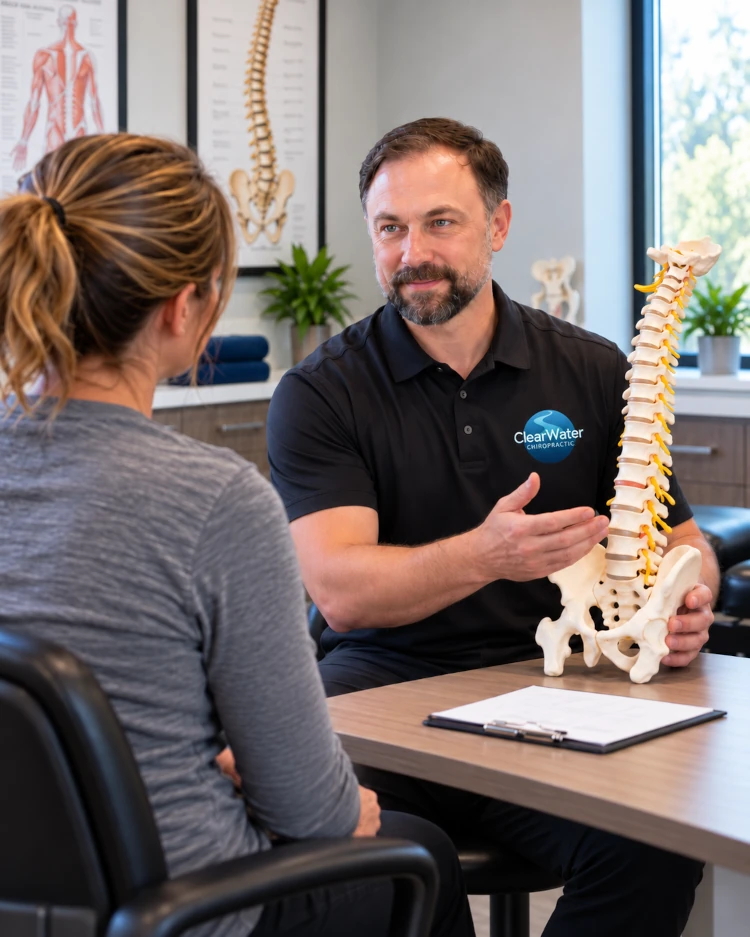
Dr. Flood explaining spinal anatomy during a first migraine appointment

Dr. Flood explains spinal anatomy and discusses symptoms with a patient during a personalized migraine and headache evaluation in Eau Claire, WI.

Why Choose Clearwater Chiropractic for Migraine and Headache Care?

Clearwater Chiropractic takes an individualized approach to patients experiencing migraines and recurring headaches. Dr. Flood and Dr. Kelbel evaluate your symptom pattern, neck movement, muscle tension, health history, and individual goals before determining whether chiropractic treatment may be appropriate.

Personalized Evaluation

Your care begins with understanding your unique headache pattern rather than assuming that every migraine has the same cause.

Dr. Flood & Dr. Kelbel

Patients have access to two chiropractors who provide individualized care based on examination findings and patient comfort.

Multiple Treatment Options

When appropriate, care may include chiropractic adjustments, soft-tissue techniques, dry needling, mobility recommendations, and practical home-care guidance.

Convenient Eau Claire Location

Clearwater Chiropractic provides local care for patients throughout Eau Claire and surrounding Chippewa Valley communities.

Frequently Asked Questions About Migraine Treatment

Chiropractic care may be appropriate for some migraine patients, particularly when neck discomfort, restricted movement, or muscle tension are also present. Because migraines are neurological and can have many contributing factors, an individualized evaluation is important before determining whether chiropractic treatment should be part of your care.

Migraines are neurological and should not automatically be attributed to the neck or spinal alignment. However, some migraine patients also experience neck stiffness, muscle tension, or restricted movement that may warrant separate treatment.

Neck and shoulder muscle tension can contribute to certain types of headaches. Some headaches may also originate from structures in the cervical spine. An evaluation can help determine whether musculoskeletal factors appear relevant to your symptoms.

Dry needling may be considered when muscle tension or trigger points around the neck, shoulders, or upper back are contributing to discomfort. It does not directly treat the neurological cause of migraines.

There is no standard number of appointments for migraine or headache care. Recommendations depend on your symptoms, examination findings, health history, goals, and how you respond to treatment.

Keeping a simple record of migraine frequency, duration, symptoms, sleep, meals, stress, and potential triggers can sometimes help reveal patterns. This information can also be useful when discussing symptoms with your healthcare providers.

New or unusual headaches, significant changes in your typical headache pattern, or persistent headaches should be discussed with an appropriate healthcare professional.

Seek emergency medical care for a sudden severe headache unlike anything you have experienced before, or a headache accompanied by symptoms such as confusion, fainting, seizures, significant weakness or numbness, difficulty speaking, high fever with neck stiffness, major vision changes, or symptoms following a significant head injury.

Take the Next Step Toward Understanding Your Migraines

Recurring migraines and headaches can interfere with work, sleep, concentration, family activities, and your ability to enjoy everyday life.

At Clearwater Chiropractic, Dr. Flood and Dr. Kelbel provide personalized evaluations for patients experiencing migraines, headaches, neck tension, and related musculoskeletal symptoms in Eau Claire and surrounding communities.

Your evaluation can help determine whether chiropractic care may be appropriate as part of your overall approach to managing your symptoms.

Prefer to call? (715) 831-2111