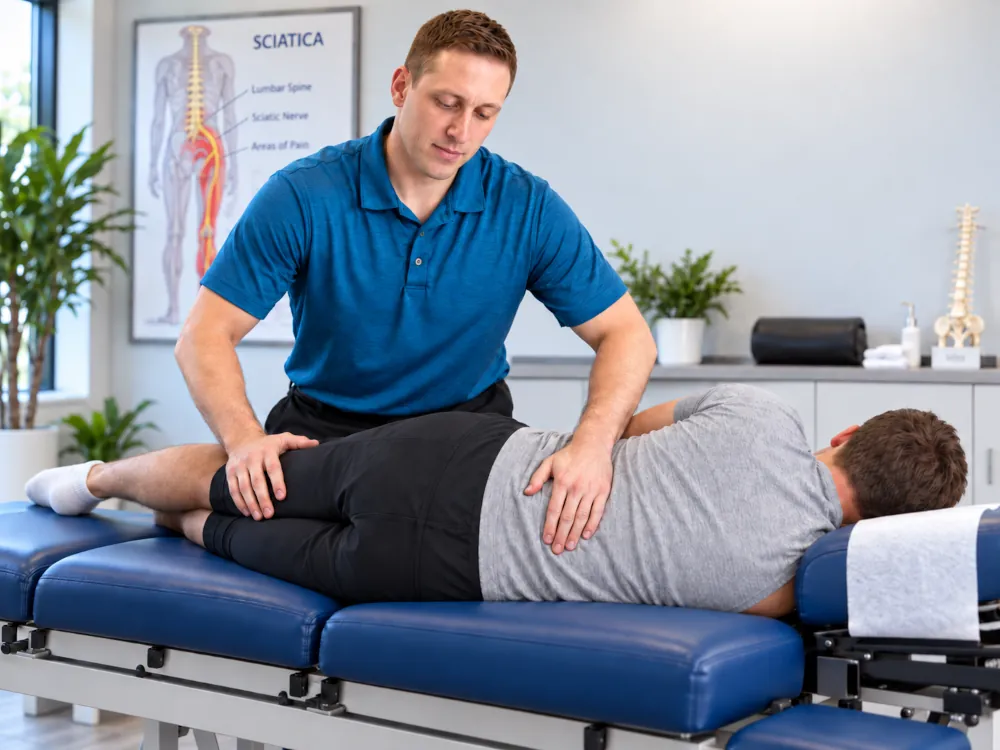
Sciatica can cause more than discomfort in the lower back.

Symptoms may travel through the buttock and down one leg, sometimes producing sharp pain, burning, tingling, numbness, or weakness that makes sitting, standing, walking, driving, and everyday activities difficult.

At Clearwater Chiropractic, Dr. Flood and Dr. Kelbel evaluate patients experiencing sciatica and other nerve-related symptoms in Eau Claire, Wisconsin. Your care begins with a personalized evaluation designed to better understand where your symptoms are occurring, what movements affect them, and whether chiropractic treatment may be appropriate for your condition.
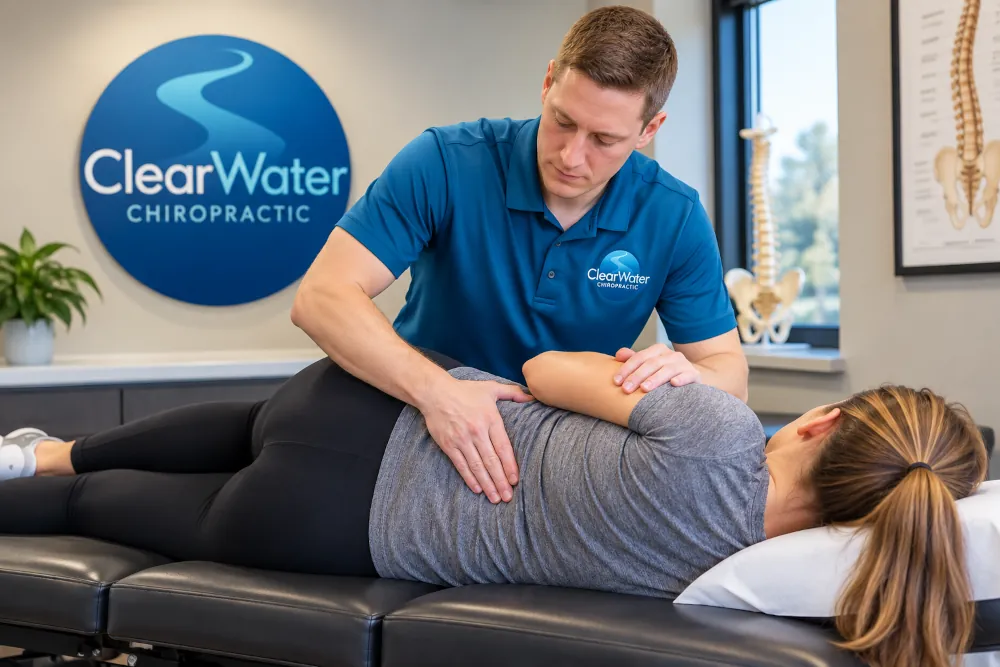
Dr. Kelbel evaluating and treating a patient with sciatica symptoms

Dr. Kelbel provides personalized chiropractic care for patients experiencing sciatica and related lower back and leg symptoms.

What Is Sciatica?

Sciatica describes symptoms associated with irritation or compression involving the sciatic nerve or the nerve roots that eventually form the sciatic nerve.

The sciatic nerve is the largest nerve in the body. It begins in the lower spine and travels through the pelvis and buttocks before continuing down the legs. When one of the nerve roots contributing to this pathway becomes irritated, symptoms may develop anywhere along the nerve’s path.

Sciatica is not the same thing as general low back pain. Some patients experience significant leg symptoms with relatively little discomfort in the lower back, while others have both low back pain and symptoms extending into the buttock or leg.

Because several conditions can create similar symptoms, determining whether pain is actually related to sciatic nerve irritation is an important part of the evaluation.

Where Is Sciatica Pain Usually Felt?

Sciatica commonly affects one side of the body. Symptoms may begin in the lower back or buttock and travel into the back, side, or front of the thigh. Depending on which nerve structures are involved, symptoms may continue below the knee and into the calf, ankle, foot, or toes. The exact location of your symptoms can provide useful information during your chiropractic examination.

Common Symptoms of Sciatica

Sciatica does not always feel the same from one patient to another. The symptoms can vary based on which nerve structures are affected and how irritated they are.

Pain That Travels Down the Leg

One of the most recognizable symptoms of sciatica is pain that begins around the lower back or buttock and travels into one leg. The discomfort may feel sharp, shooting, burning, electric, aching, or unusually intense compared with typical muscle soreness. Depending on the nerve structures involved, symptoms may extend through the thigh, calf, foot, or toes.

Numbness or Tingling

Some patients experience pins-and-needles sensations, tingling, or areas of reduced sensation in the thigh, calf, foot, or toes. These symptoms may occur alongside leg pain or may sometimes be more noticeable than the discomfort in the lower back itself.

Symptoms That Change With Position

Sciatica symptoms can change depending on how you sit, stand, bend, lift, or move. For some patients, prolonged sitting, driving, bending forward, standing, coughing, sneezing, lifting, or certain exercises may aggravate symptoms. Others may notice temporary relief when walking, lying down, or changing positions.

Leg Weakness

More significant nerve irritation may affect strength in the leg, ankle, or foot. Any new, noticeable, or worsening weakness should be discussed during your evaluation, especially if it is affecting walking, balance, or your ability to perform normal daily activities.

What Causes Sciatica?

Sciatica can develop when a nerve root in the lower spine becomes compressed, inflamed, or irritated. There are several possible reasons this can occur, which is why sciatica should not automatically be treated as though every patient has the same underlying problem.
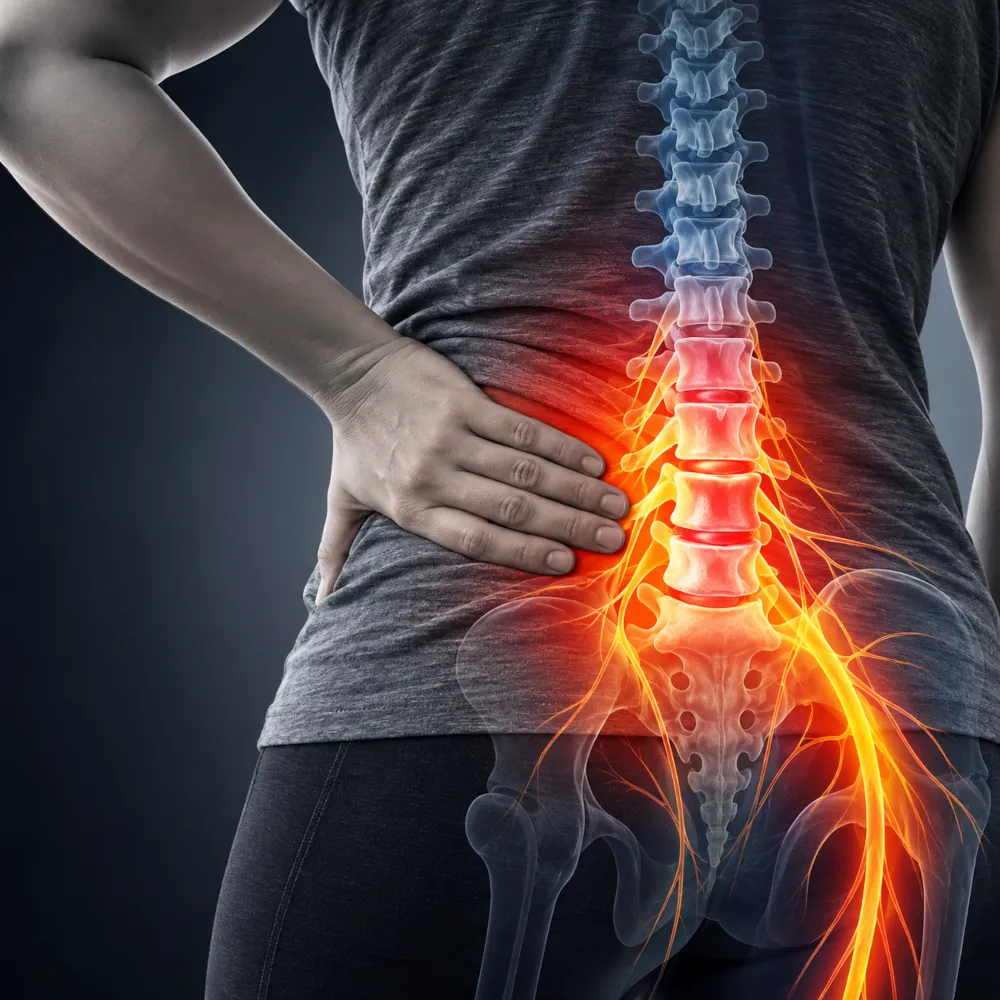
Illustration showing sciatic nerve irritation in the lower spine and leg

Disc-Related Irritation

The discs between the vertebrae provide cushioning and help the spine move. Changes to a lumbar disc can sometimes irritate nearby nerve tissue. This may contribute to symptoms extending from the lower back into the buttock or leg. A disc finding on an imaging study does not automatically mean it is causing symptoms, however. Your history, examination, and symptom pattern are also important.

Muscle and Soft-Tissue Tension

Muscles around the lower back, pelvis, and hips can become tight or irritated. Muscle tension alone is not always the source of true sciatica, but it may contribute to discomfort and restricted movement occurring alongside nerve-related symptoms. When significant muscle tension is present, techniques such as dry needling may sometimes be considered as part of a broader treatment plan.

Changes Around Spinal Joints

Joint changes in the lower spine can sometimes reduce the available space around nerve structures or contribute to inflammation in the surrounding area. These changes may become more common with age but do not necessarily cause symptoms in every person.

Injuries and Physical Stress

Lifting injuries, sports activities, falls, repetitive physical work, or motor vehicle accidents can sometimes trigger or aggravate lower back and leg symptoms. Understanding what was happening when your symptoms began can help guide the evaluation.

Comprehensive chiropractic solutions tailored to your lifestyle & goals.

Sciatica vs. Low Back Pain

Sciatica and low back pain frequently occur together, but they describe different types of symptoms.

Low back pain primarily refers to discomfort located in the lumbar region.

Sciatica typically involves symptoms that extend beyond the lower back and into the buttock or leg.

A person with ordinary low back pain might notice stiffness or aching when bending and lifting. Someone experiencing sciatica may notice shooting pain, tingling, burning, numbness, or weakness traveling farther down the leg.

The broader Back Pain page explains additional causes and symptoms involving other areas of the spine.

How Sciatica Can Affect Everyday Life

Nerve-related symptoms can make ordinary activities unexpectedly difficult.

Sitting through a workday, driving, sleeping comfortably, standing for long periods, walking, bending, exercising, and lifting may all become uncomfortable depending on the severity and location of the symptoms.

Some patients begin changing the way they move to avoid aggravating the painful leg. Over time, that can make everyday movement feel increasingly restricted.

Understanding which activities trigger your symptoms helps Dr. Flood and Dr. Kelbel evaluate how the condition is affecting your function rather than looking only at your pain level.

How Clearwater Chiropractic Approaches Sciatica Treatment

Treatment begins with understanding what may be contributing to your symptoms. Dr. Flood and Dr. Kelbel do not assume that every patient with leg pain has the same condition or requires the same chiropractic treatment.

A Personalized Sciatica Evaluation

Your chiropractor will ask where your symptoms begin, how far they travel, when they first appeared, and which activities or positions make them better or worse.

Your evaluation may include assessment of your lower back, hips, posture, mobility, muscle tension, strength, and neurological symptoms.

Certain movements or examination procedures may also be used to better understand whether nerve irritation could be contributing to the pain.

Learn more about Dr. Flood and Dr. Kelbel and their approach to chiropractic care.
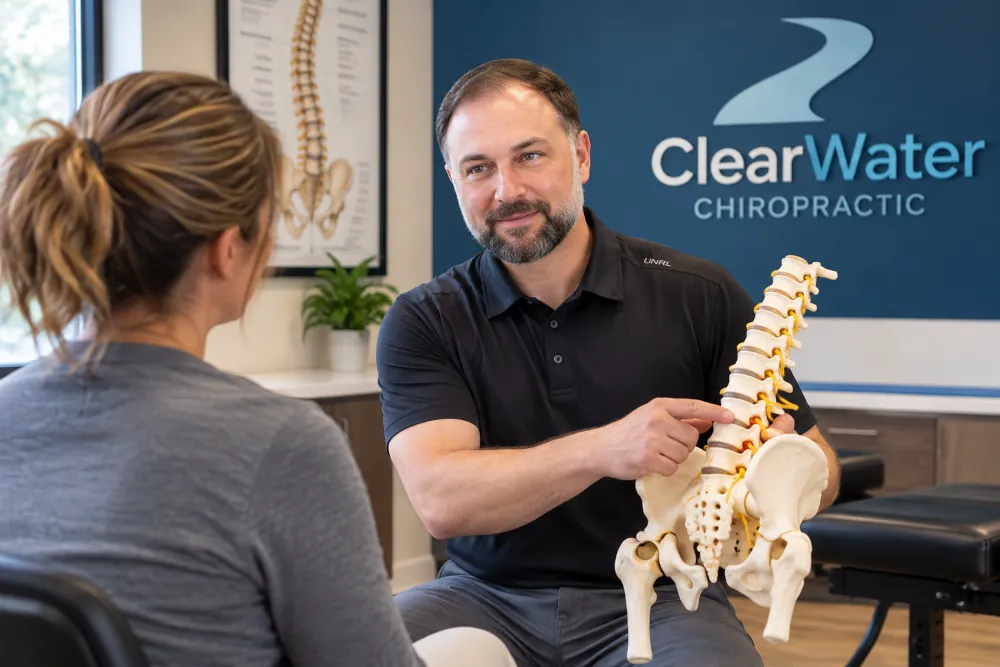
Dr. Flood explaining the lower spine and sciatic nerve during a chiropractic evaluation

Dr. Flood uses a spine and pelvis model to explain the lower back, nerve pathways, and possible sources of sciatica symptoms during a personalized chiropractic evaluation at Clearwater Chiropractic.

Dr. Kelbel performing a chiropractic adjustment for a patient with sciatica

Dr. Kelbel provides personalized chiropractic adjustments for patients experiencing sciatica and related lower back and leg symptoms.

Chiropractic Adjustments

When restricted joint movement is identified and chiropractic treatment is appropriate, adjustments may be incorporated into your care. The technique used can vary based on your symptoms, examination findings, comfort level, and how irritated the area is.

Sciatica does not automatically mean aggressive treatment is appropriate. Care should be adapted to the individual patient.

Addressing Muscle Tension

Muscles around the lower back, pelvis, and hips may become tight as the body responds to pain or altered movement.

Soft-tissue techniques may be incorporated when appropriate to help address these areas.

Dry Needling

Dry needling may be considered when muscle tension or trigger points are contributing to pain or restricted movement.

Clearwater Chiropractic offers dry needling for $45 per region. Whether it is appropriate depends on your individual findings and treatment goals.

Movement and Home Recommendations

Treatment may also include guidance for activities outside the clinic.

Your chiropractor may recommend specific mobility exercises, movement breaks, positioning changes, temporary activity modifications, or strategies for gradually returning to normal activities.

What to Expect at Your First Sciatica Appointment

Your first appointment begins with a detailed discussion of your symptoms. Dr. Flood or Dr. Kelbel will want to understand where the symptoms begin, where they travel, how long they have been present, and which movements or positions affect them. Your chiropractor may then assess your lumbar movement, hip mobility, muscle tension, strength, reflexes, sensation, or other findings depending on your symptoms.

After the examination, the findings will be explained in clear language. If chiropractic care appears appropriate, you will discuss available treatment options and an initial plan. If your symptoms suggest that another type of medical evaluation or imaging may be needed, your chiropractor can discuss the appropriate next steps.
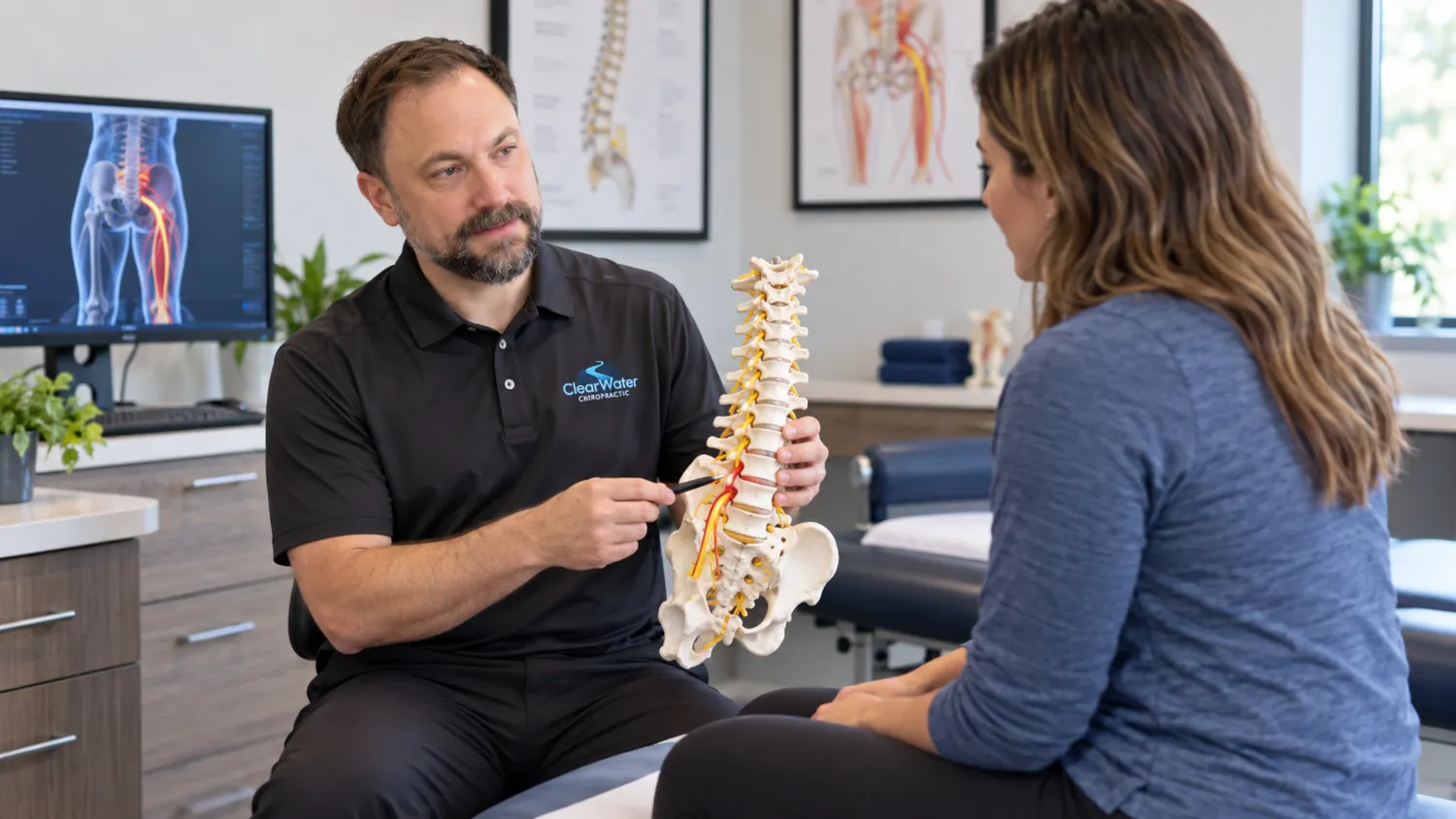
Dr. Flood explaining sciatica and the lower spine during a first chiropractic appointment

Dr. Flood reviews the lower spine and sciatic nerve with a patient during a personalized sciatica evaluation.

Why Choose Clearwater Chiropractic for Sciatica Care?

Clearwater Chiropractic takes a personalized approach to sciatica care, focusing on how your symptoms affect movement, comfort, and daily activities. Dr. Flood and Dr. Kelbel evaluate each patient individually and recommend treatment options based on examination findings, symptom patterns, and personal goals.

Personalized Sciatica Evaluation

Your care begins with a detailed evaluation of your symptoms, movement, and health history so Dr. Flood or Dr. Kelbel can better understand what may be contributing to your sciatica.

Care From Dr. Flood & Dr. Kelbel

Patients have access to two experienced chiropractors who provide individualized care based on examination findings, comfort level, and personal goals.

Multiple Treatment Options

Depending on your needs, care may include chiropractic adjustments, soft-tissue techniques, dry needling, mobility guidance, and home-care recommendations.

Convenient Eau Claire Location

Clearwater Chiropractic provides local sciatica care for patients in Eau Claire and surrounding Chippewa Valley communities, with scheduling designed to fit into everyday routines.

Frequently Asked Questions About Sciatica

Chiropractic care may be appropriate for some patients experiencing sciatica, depending on what is contributing to the nerve irritation. An evaluation is important before determining whether chiropractic treatment is appropriate for your symptoms.

No. Some people experience both low back and leg pain, while others primarily notice symptoms in the buttock, thigh, calf, or foot.

Yes. Sciatic nerve or nerve-root irritation can sometimes produce numbness, tingling, burning, or other altered sensations in the leg or foot.

Certain sitting positions may increase symptoms for some patients depending on what is irritating the nerve. Prolonged sitting can also reduce movement and contribute to stiffness. Your individual symptom pattern should be evaluated rather than assuming one position is responsible.

Some movement may be beneficial, while certain activities can aggravate symptoms. Exercise recommendations should be based on the severity of your symptoms and the findings from your evaluation.

Recovery time varies considerably. It can depend on what is causing the symptoms, how irritated the nerve is, how long symptoms have been present, your activity level, and how your body responds to treatment.

Dry needling does not directly treat the sciatic nerve itself, but it may sometimes be used when muscle tension or trigger points are contributing to discomfort or restricted movement around the lower back, hips, or pelvis.

Seek prompt medical evaluation if you experience significant or worsening weakness, loss of bladder or bowel control, difficulty urinating, numbness around the groin area, severe symptoms in both legs, or symptoms following a major injury.

Take the Next Step Toward Understanding Your Sciatica

Sciatica can interfere with work, sleep, driving, exercise, and normal movement, particularly when symptoms extend beyond the lower back and into the leg.

At Clearwater Chiropractic, Dr. Flood and Dr. Kelbel provide personalized evaluations for patients experiencing sciatica and related lower back symptoms in Eau Claire and surrounding communities.

Understanding what may be contributing to your symptoms is the first step toward determining the appropriate treatment approach.

Prefer to call? (715) 831-2111